Where Can You Study Cosmetic Tattooing in Melbourne?
Ever looked at a pair of microbladed brows or a flawless lip blush and thought, “I could do that” — you’re not alone. The demand for skilled cosmetic tattoo artists in Melbourne is on the rise and so are the training options. But not all courses are created equal and choosing the right one can make or break your beauty career. So where can you study cosmetic tattooing in Melbourne without ending up with a useless certificate or a drawer full of overpriced pigments?
Let’s get real. This guide — titled Where Can You Study Cosmetic Tattooing in Melbourne? — breaks down exactly where to train, what to look for in a cosmetic tattoo course and how to find a studio that sets you up for real-world success.
Contents
- 1 What Actually Matters
- 2 Tattoo Training: Who’s Best?
- 3 TAFE vs Private Training
- 4 Core Skills That Actually Matter
- 5 What It Costs
- 6 What Students Are Looking for
- 7 Common Mistakes New Artists Make
- 8 Final Thoughts
- 9 FAQ
- 9.1 Do I need a licence to do cosmetic tattooing in Melbourne?
- 9.2 Is cosmetic tattoo training government funded?
- 9.3 How long does it take to become a qualified cosmetic tattoo artist?
- 9.4 Can I work from home after I finish my training?
- 9.5 What treatments can I offer after I complete my cosmetic tattoo course?
What Actually Matters
Not all training is created equal. Here’s what actually matters:
- Accreditation and licensing: Look for RTOs (Registered Training Organisations) or courses aligned with nationally recognised qualifications like SHBBSKS003 (Design and Provide Cosmetic Tattooing) and other elective units or makeup units.
- Hands-on experience: Watching your trainer tattoo a banana won’t cut it. You need live models, additional models and actual skin experience to build your practical skills.
- Infection control: If the course doesn’t obsess over hygiene, run. This is your responsibility as a future practitioner and essential to meet council requirements and Australian standards.
- Trainers with industry cred: Are they actively working in the cosmetic tattooing industry? Do they show real client results, healed photos and correction work? Expert trainers and industry professionals should guide you.
- Aftercare and support: Will they answer your panicked texts after your first brow tattoo goes pink? Ongoing mentorship, especially during your approach to training and delivery of training, really matters.
Tattoo Training: Who’s Best?
Here’s a no-BS list of reputable training providers offering cosmetic tattoo training in Melbourne. Some are RTOs, others are private academies with a solid track record.
| Training Provider | Course Types | RTO? | Live Models? | Infection Control Training | Notes |
|---|---|---|---|---|---|
| Face Figurati | Brows, Lips, Eyeliner, Areola, Saline Removal | No | Yes | Yes | Known for advanced skills and boutique training. Cosmetic Tattoo Melbourne Studio Face Figurati is a favourite for artists wanting real-world skills in a supportive setting. |
| Brow Squad Academy | Beginners & Advanced PMU | Yes | Yes | Yes | Offers SHBBSKS003, elective units & Certificate in Infection Control |
| Melbourne College of Cosmetic Tattooing | Eyebrows, Lips, Eyeliner | Yes | Yes | Yes | RTO with industry mentors, long-standing reputation, includes business units |
| The Australian Dermal & Laser Institute | Cosmetic Tattoo & Skin | Yes | Yes | Yes | Strong focus on skin types, pigment selection & design tools |
| Deluxe Brows Australia | Brow-focused, Online + In-person | No | Optional | Yes | Specialises in brow services and online theory |
TAFE vs Private Training
Ah yes, the age old debate. Should you go TAFE or boutique academy training? Here’s the lowdown:
TAFE or RTO Pros:
- Nationally recognised certifications (hello, SHBBSKS003)
- Structured, formal training programs
- Clear infection prevention protocols
- Easier pathway to insurance and licensing
Private Academy Pros:
- Smaller class sizes
- Faster entry into real treatments
- More customised feedback
- Often taught by artists with cult followings and real world insight
Bottom line? If you want to start your tattoo licence application in Victoria, you’ll likely need that nationally recognised competency in cosmetic tattooing and infection control, plus training that covers council requirements.
Core Skills That Actually Matter
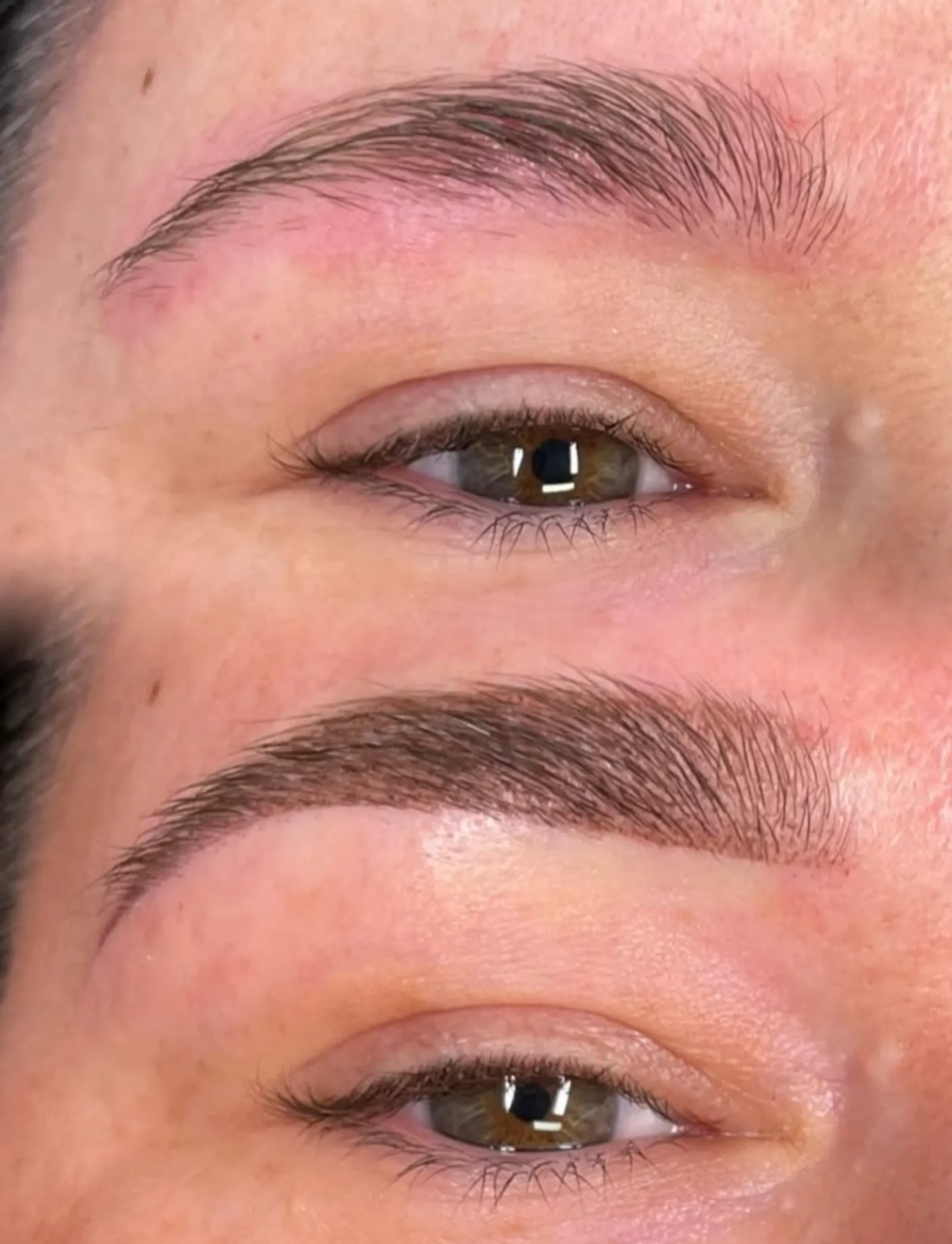
A good course should teach you more than how to hold a tattoo pen. Here’s what separates hobbyists from qualified cosmetic tattoo artists:
- Colour theory and pigment selection (including skin undertones and darker skin tones)
- Principles of design for facial features and tattooing treatments
- Face mapping and flow of brow designs
- Anaesthetics, healing phases and post treatment care advice
- Safety protocols for different skin types and medical conditions
- Machine vs manual methods (e.g. eyebrow microblading vs PMU machine for brows)
- Tattooing techniques for all major zones: eyebrow tattoos, tattoo for lips, tattoo for eyes
- Client consultation and follow up procedures to ensure services to clients meet professional standards
- Correction and removal basics (hello, botched brows)
- How to become a confident cosmetic tattoo artist delivering results that meet the expectations of today’s cosmetic tattoo clients
What It Costs
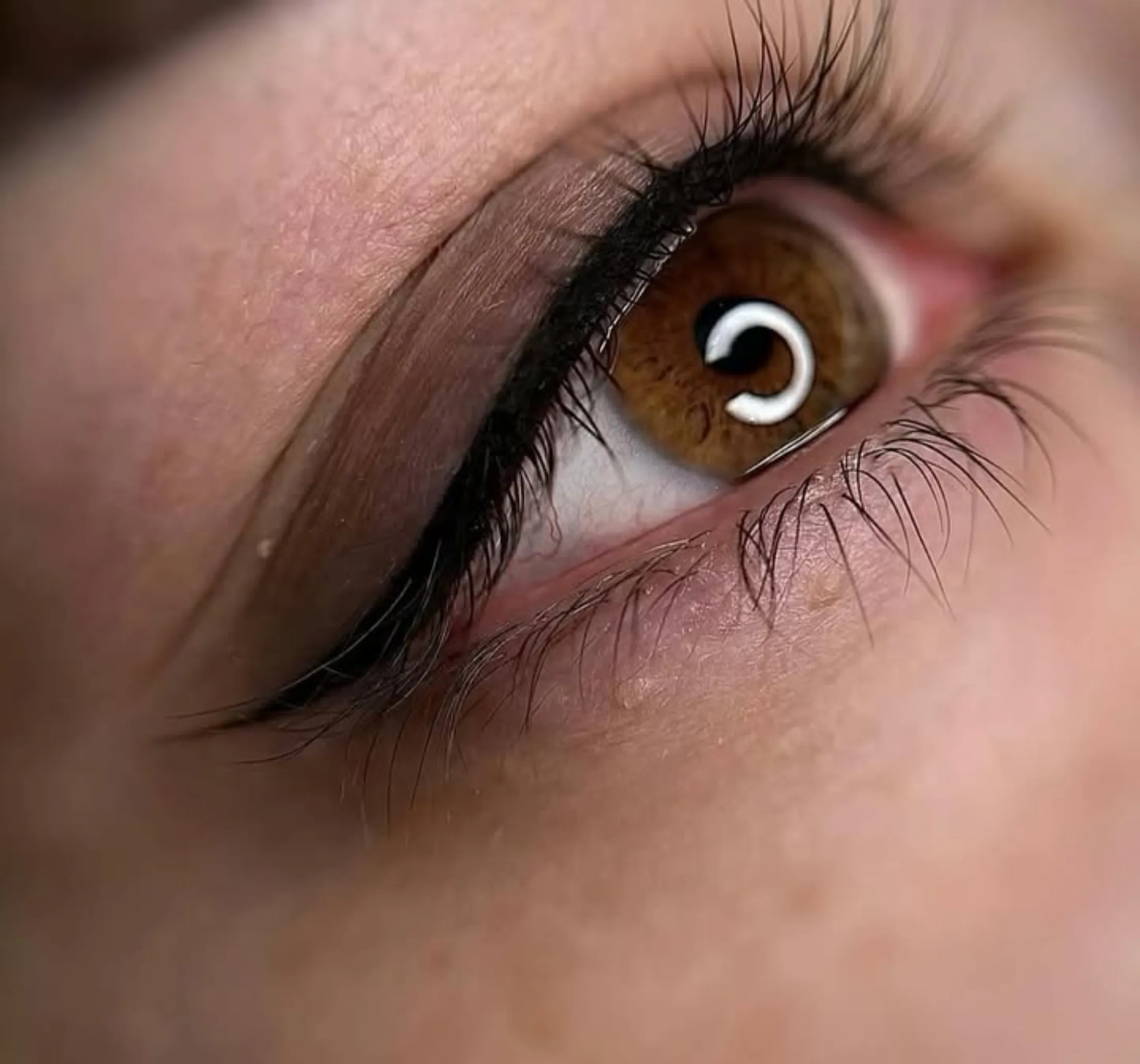
Prices vary wildly. You might pay $3,000 for a 2 day microblading workshop or $12,000+ for a full diploma. Here’s what to check:
- Does the fee include a professional kit, art equipment or electric file equipment?
- How many live or additional models will you work on?
- Are there assessments, assignments or business units?
- Do you get lifetime access to online theory materials?
- Is there post graduation support for future clients and business ventures?
- Are there payment options, government funding or funding for foundational training?
- Does the cosmetic tattoo course cover all zones including eyeliner, lips and brows?
What Students Are Looking for
According to recent industry stats, Australia’s cosmetic tattooing market is growing 15% year on year and high demand is in:
- Natural looking results (think hyperrealism, not 2016 block brows)
- Skin tone inclusive pigments
- Combination techniques (e.g. powder + nano or brow lifting)
- Add on skills like saline removal and scar camouflage
- Beauty salons expanding their tattooing treatment offering
- Cosmetic tattoo Melbourne artists keeping up with trends that meet natural beauty expectations
Studios want artists who understand how pigments behave over time and how to adapt to individual skill level, skin type and a range of clients.
Common Mistakes New Artists Make
Seen this too many times:
- Overworking the skin (hello scarring)
- Choosing the wrong pigment for warm or cool undertones
- Ignoring healing time or aftercare in a client’s beauty routine
- Skipping practice on artificial skin or neglecting machine experience
A good training program drills these basics into you before you ever tattoo real brows to clients or design patterns for clients. It helps build both practical training and technical skill — the hallmarks of a responsible cosmetic tattoo artist.
Final Thoughts
The question isn’t just “Where can you study cosmetic tattooing in Melbourne?” — it’s “Where can you learn in a way that sets you up for success, safety and real results?”
Take your time. Compare training timetables. Ask to see previous training results. Check their enrolment form. And make sure you get hands on experience under expert trainers who understand the art of brow tattooing and how to guide make-up artists and beauty therapists at every level.
If you’re serious about a beauty career in cosmetic tattooing, it’s worth checking out what Cosmetic Tattoo Melbourne Studio Face Figurati offers — especially if you’re after small group training with an artist who’s walked the walk.
FAQ
Do I need a licence to do cosmetic tattooing in Melbourne?
Yes. In Victoria you need to register your business with your local council and meet infection control standards. Most councils require proof of training in both cosmetic tattooing and infection prevention.
Is cosmetic tattoo training government funded?
Sometimes. If you’re studying through an RTO or TAFE that offers the SHBBSKS003 unit as part of a broader qualification you may be eligible for subsidies or payment plans.
How long does it take to become a qualified cosmetic tattoo artist?
A few weeks to several months depending on the course format, your existing skills and whether you go full time or part time. Many courses offer intensive training or flexible training days.
Can I work from home after I finish my training?
Only if your home studio meets council regulations for cleanliness, zoning and licensing. Check with your local council before setting up. There may be a minimum requirement for equipment access.
What treatments can I offer after I complete my cosmetic tattoo course?
That depends on what your course covers. The most common are eyebrow tattoos (microblading, powder, ombré), lip blush, eyeliner tattooing and sometimes areola or scar camouflage if you do advanced courses. Your treatment offering will also depend on your individual treatment scope and client demand.